

Significant Savings
Reduce energy bills by up to 75.6%, with annual
energy savings of 1,600+ kWh

Reduce energy bills by up to 75.6%, with annual
energy savings of 1,600+ kWh

Automated AI optimization and
remote support

Fully integrated system;
no third-party smart boxes required
Rooftop solar paired with high-performance storage, smart heating, and wallbox. Prioritize your own green power, leverage dynamic tariff to capture low grid prices, and store the surplus to eliminate peak-rate costs—maximizing savings while showcasing sustainability
Contact Us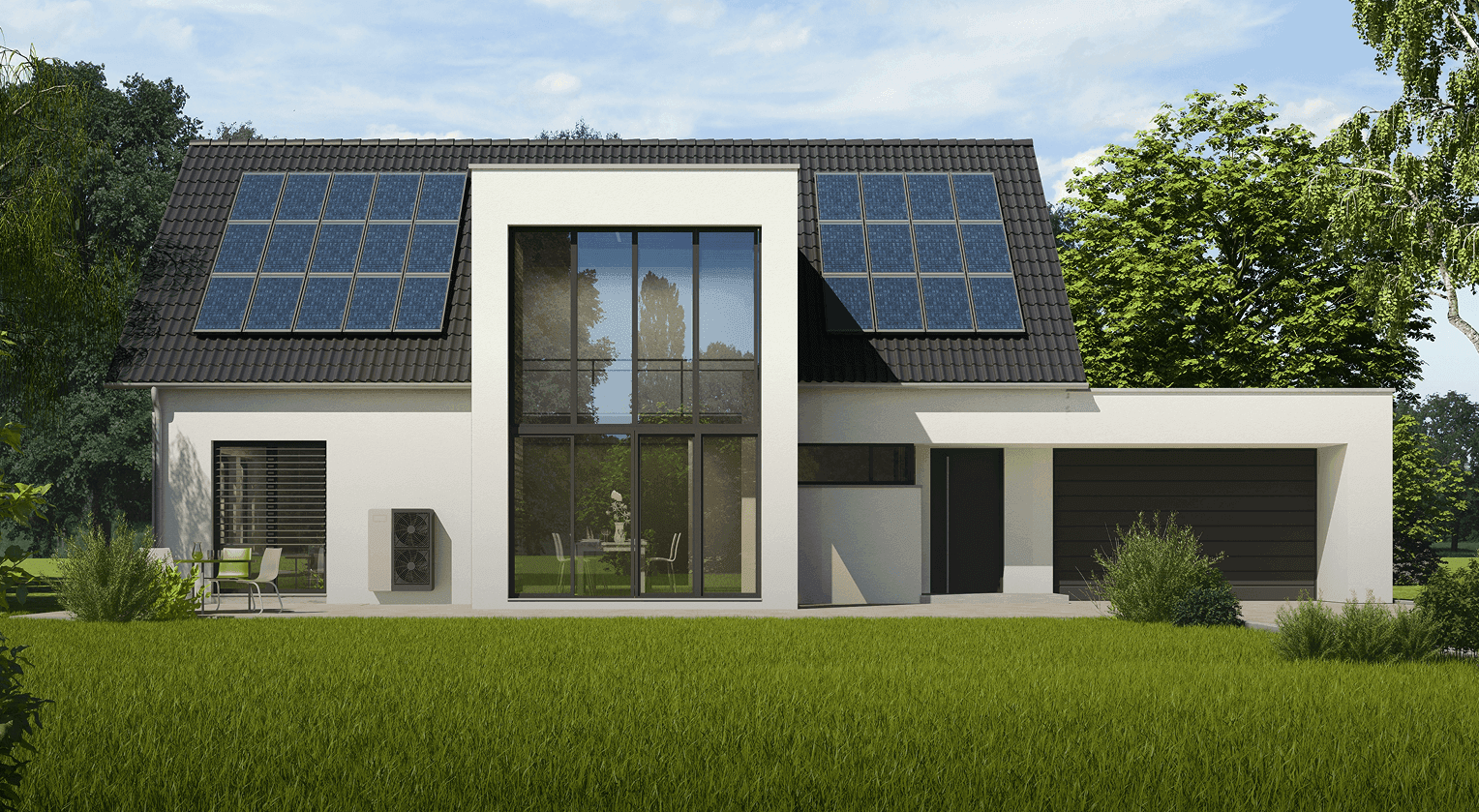
Reduce energy costs by up to 75.6% with minimal effort.
PV + Battery + Heat Pump + Wallbox + Dynamic Tariff
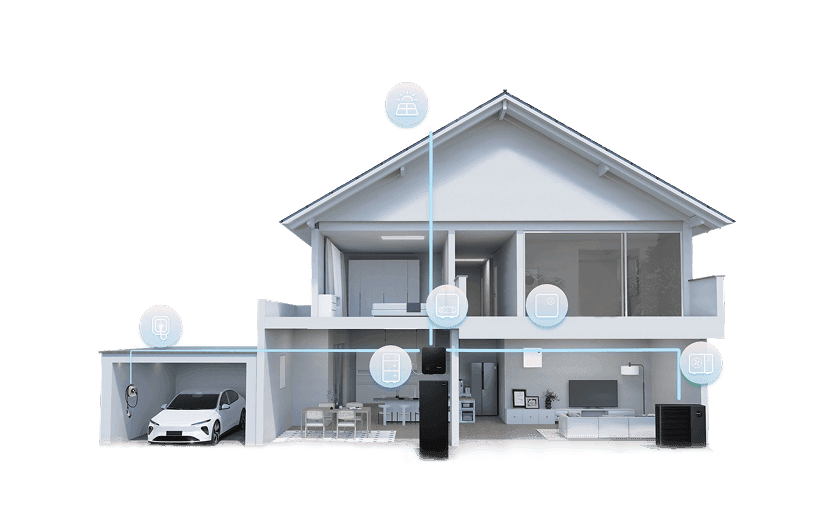

Suitable for households with roofs, requiring heating and cooling, and owning
or planning to purchase electric vehicles.
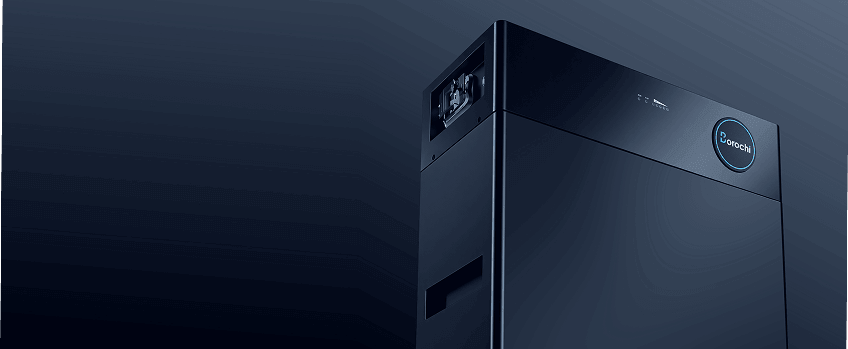
Store your solar energy for later and use it when you need it most, reducing reliance on the grid.
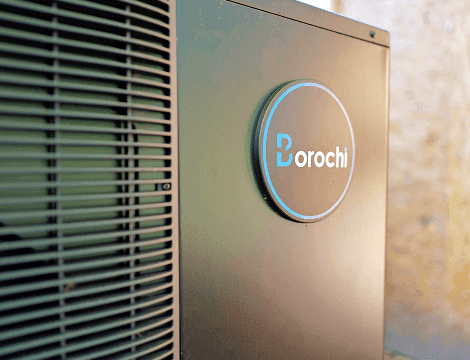
Enjoy efficient heating and cooling powered by electricity and optimized for comfort and savings.
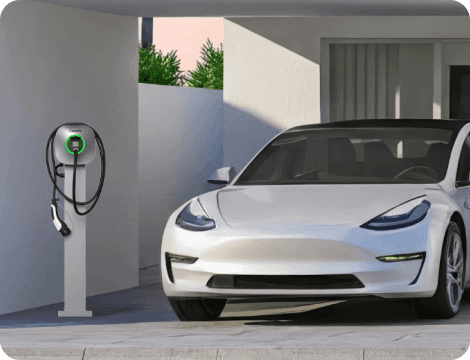
Charge your electric vehicle smartly, using solar energy or lower-cost electricity whenever possible.
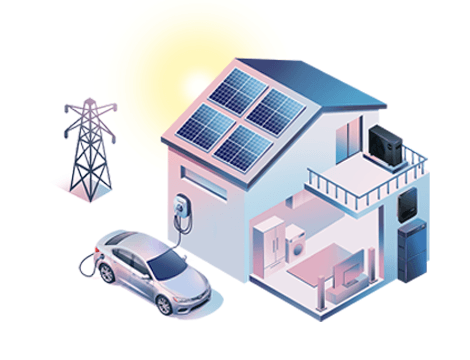
Automatically shift your energy usage to cheaper hours and take advantage of real-time electricity prices.
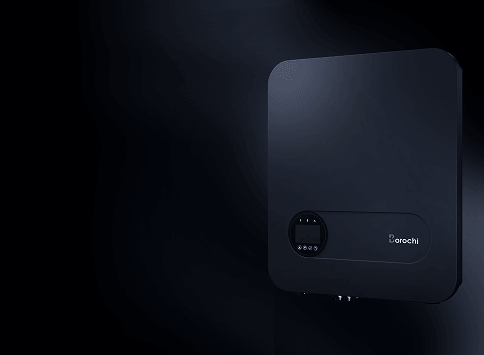
Low Startup Voltage & Wide Operating Range.
Maximizes solar energy conversion with minimal loss.

A+++ Efficiency, 75C High Output, Ultra-Quiet Operation. Acts like a thermal battery, storing heat when electricity is cheap, reducing heating bills by 20-30%.
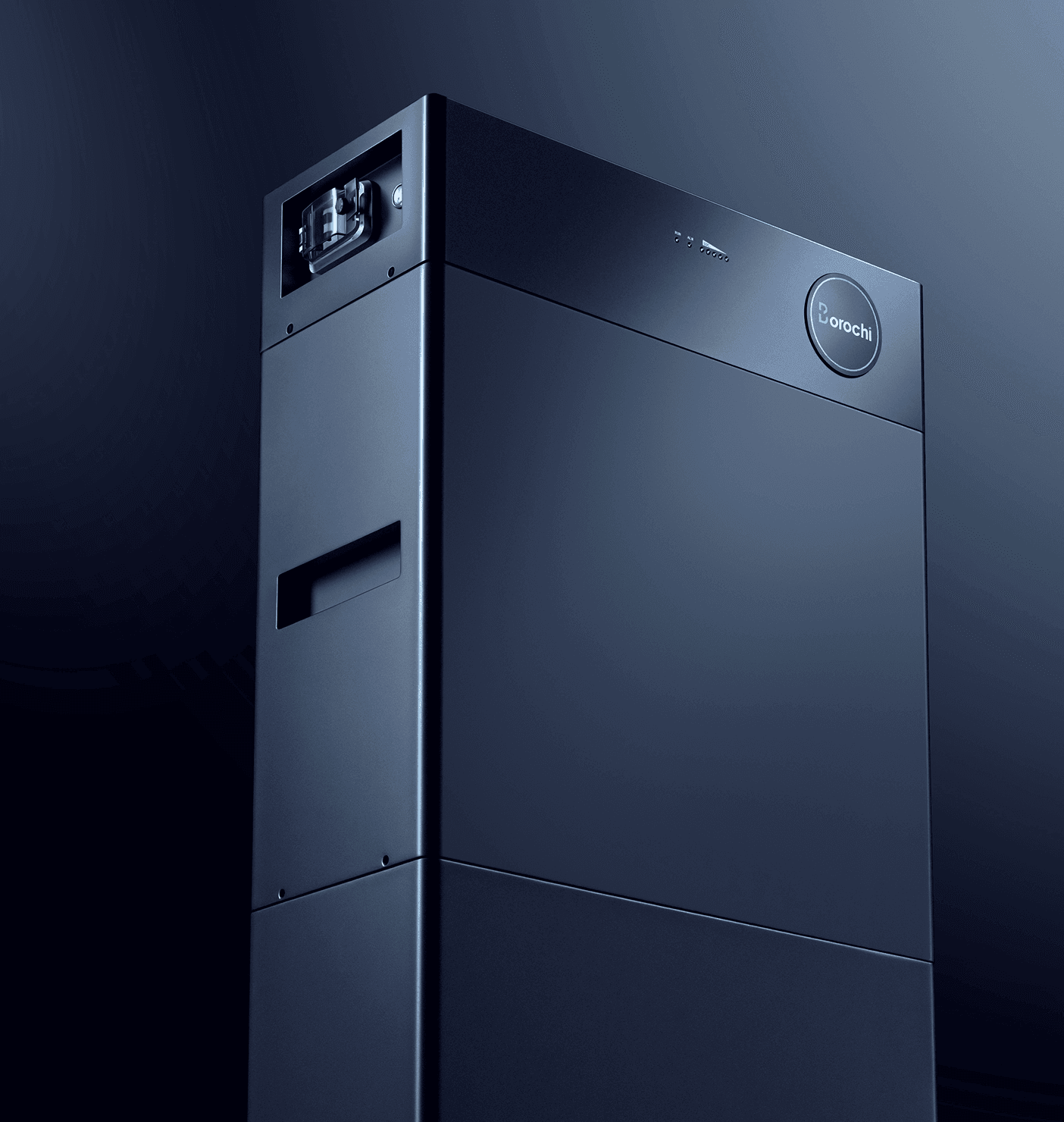
Multiple capacity options. Modular design for easy expansion. 10-year warranty.
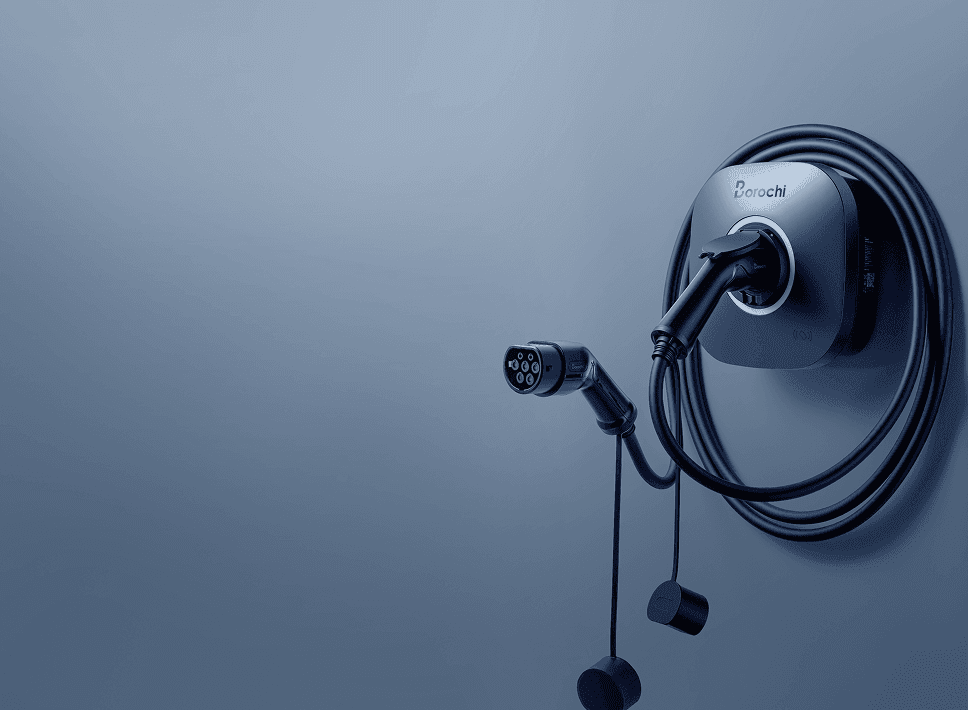
Schedules vehicle charging at the most cost-effective times; prioritizes solar power and enables load balancing.

SINGLE-FAMILY HOME
3-PERSON HOUSEHOLD
HEAT PUMP
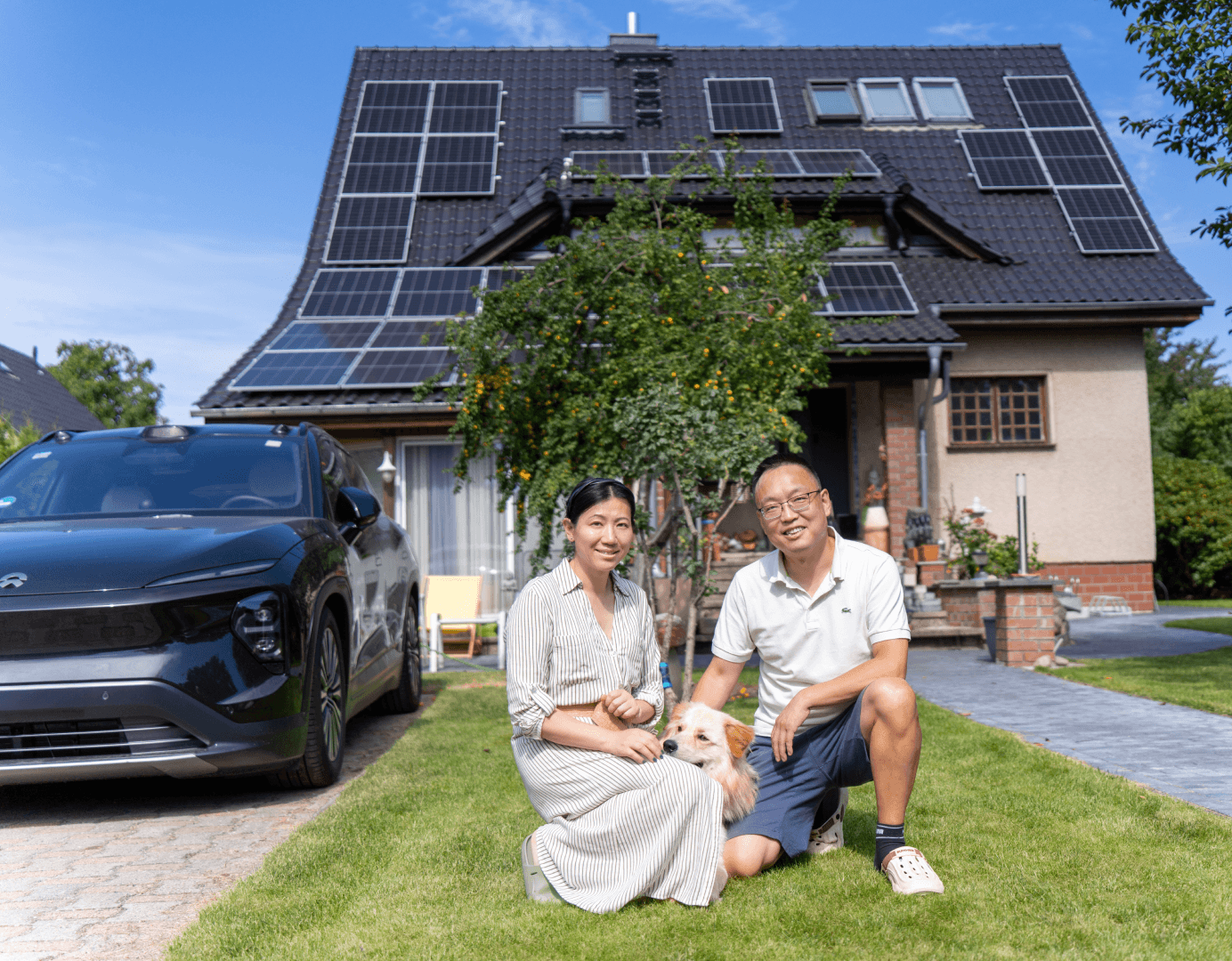
The installed Borochi energy system has been stable and reliable since commissioning. The 20 kWp PV system ensures high power generation, covering the majority of household needs. With the exception of winter months when the heat pump is active, self-consumption demand can be met almost entirely.
The customer particularly highlights the EPS (Emergency Power Supply) function: during a grid failure, the system automatically switched to EPS mode via the ATS (Automatic Transfer Switch), ensuring the home’s power supply remained uninterrupted.
For the upcoming heating season, the customer plans to expand the system to better cover the increased energy demand of the heat pump.
Description: Contact The Consultation Team To Obtain Personalized Advice
Output: Preliminary Proposal Suggestion


Professional installation by certified installers.
Compliance with all local building codes.
Complete installation documentation and certificates.

10-year warranty on Batteries and Inverters.
5-year warranty on Heat Pumps.
2-year warranty on Wallbox.

24/7 remote technical support.
Remote troubleshooting within 4 hours.
On-site support when necessary.
Annual performance checks and optimization.
Remote system upgrades.
Borochi brings solar PV, battery storage, heat pumps and EV charging together in one connected system. Its devices share a cloud platform and use AI-based forecasts to coordinate their operation. You can manage everything in the Borochi App, without separate apps for each type of device or an additional third-party control box.
One supplier, one app: Many home energy systems combine inverters, heat pumps and chargers from different brands, with separate apps or controllers. Borochi supplies inverters, batteries, EV chargers and heat pumps that connect directly to Borochi Cloud. You can monitor and manage them in the same app, without buying a separate home energy management system (HEMS) box.
Planning ahead, rather than relying only on fixed priorities: Borochi HEMS uses forecasts of solar generation and household electricity use alongside dynamic electricity prices. Instead of only following a fixed sequence, such as charging the battery before exporting, it coordinates battery charging, EV charging and heat pump operation. It gives preference to times with surplus solar electricity or lower prices while taking account of your charging and heating needs. Smart Charging manages EV charging; Smart Heating manages heat generation and thermal storage. This helps increase solar self-consumption and reduce energy costs.
See where your energy goes: For each EV charging session, the Borochi App shows the sources of electricity and the savings achieved. It also provides daily, monthly and annual heat pump efficiency figures, helping you understand energy use and assess how your system is performing.
Yes. You can build your Borochi system in stages to suit your needs and budget. Both the heat pump and Wallbox can be installed and used on their own, without solar PV or a battery, and managed through the Borochi App. Devices added later automatically become part of the same home energy system under your existing account.
Smart scheduling without solar panels: Enable dynamic pricing in the app and Borochi will automatically retrieve day-ahead electricity market prices. Smart Heating and Smart Charging use them to plan heating and charging times. Whether this lowers your bill depends on your contract: a fixed-rate tariff does not become cheaper when wholesale prices fall. The dynamic tariff FAQ in “Costs & Savings” explains the requirements.
Adding solar PV later creates further opportunities for self-consumption: Once the PV system is installed and configured, you can use PV Priority charging and Smart Heating to optimise heat generation and thermal storage, keeping more of your solar electricity within the home instead of exporting it.
Tell your installer about planned extensions at the first installation. This allows electrical capacity, space for the inverter and battery, and cable routes to be planned early, helping avoid further alterations later.
Not currently. Third-party PV inverters, batteries and other devices cannot yet be integrated into Borochi’s home energy management system (HEMS) for shared monitoring and coordinated control. A third-party PV system also cannot be used with Borochi Wallbox for PV Priority charging, which automatically adjusts charging power to the available solar surplus.
Borochi is developing a HEMS Box for customers who want to keep their existing equipment and expand gradually. The planned functions include local control of compatible third-party devices and remote energy optimisation.
The HEMS Box has not yet launched. Borochi will announce supported brands, models, functions and availability officially.
Source information dated 22 September 2026. Refer to Borochi’s latest official announcements for HEMS Box availability and supported devices.
Borochi AI Operation coordinates the connected battery, EV charger and heat pump in your home energy system. It combines weather forecasts, past electricity use and your usual consumption patterns with day-ahead electricity market prices to decide when devices should operate. The aim is to use more of your own solar electricity and keep electricity purchase costs as low as possible.
Battery scheduling: The system prioritises charging when electricity is cheaper and supplying the home from the battery during higher-price periods. For example, when solar generation is limited in winter, it can schedule charging during cheaper grid electricity periods.
Smart Charging: The system prioritises the surplus solar electricity for EV charging. If this is insufficient, it schedules the required grid electricity during cheaper available periods, taking account of your charging target and when you need the vehicle.
Smart Heating: When sufficient surplus solar electricity is available, the system can raise the stored hot water temperature within permitted limits, using the heat pump to convert electricity into stored heat.
Available functions depend on the installed Borochi devices and their settings. Without solar PV, the dynamic pricing function can still be enabled to optimise scheduling using day-ahead market prices.
Borochi stores app and device performance data in Frankfurt, in the AWS eu-central-1 region in Germany. Data is processed in accordance with the EU General Data Protection Regulation (GDPR), Regulation (EU) 2016/679.
Processing data within the EU: App and device data are collected, transmitted and stored entirely within the EU through AWS data centres, avoiding additional compliance risks associated with transferring data to third countries.
Data processed by the system: This primarily includes PV generation, battery charging and discharging records, heat pump efficiency data and EV charging records. These support the information displayed in the Borochi App, AI Operation forecasting and intelligent scheduling, and remote fault diagnosis.
For the specific scope of processing, your rights to access, rectify and erase personal data, and retention periods, refer to the privacy policy published in the Borochi App.
Source information dated 22 September 2026. Borochi’s currently applicable privacy policy takes precedence.
You can use a Borochi heat pump with radiators, underfloor heating or ceiling heating. Underfloor heating is not essential, including in an existing home. Borochi customers already use both radiator and underfloor heating systems.
What matters is the water temperature your heating system needs. Underfloor heating often works at around 35 °C, while radiators may need around 55 °C. These are examples, not fixed requirements. The actual temperature depends on your home’s insulation, its heat load and the output of the radiators or heating surfaces. All else being equal, lower flow temperatures generally mean better heat pump efficiency.
Your installer assesses suitability on site: You do not need to decide in advance whether to convert to underfloor heating. The installer assesses the building heat load and existing heating system, determines the required heat pump capacity and flow temperature, and checks whether any individual radiators need adjustment.
The right size depends on how much heat your home needs and your domestic hot water demand, rather than floor area alone. Borochi and your installer help you choose a suitable model, starting with an estimate based on previous energy use and following up with a detailed heat load calculation.
Initial estimate using past energy bills: Annual gas, oil or other energy consumption for heating and hot water, adjusted for the efficiency of the existing heating appliance, provides an approximate required capacity range.
Final sizing by the installer: Borochi provides technical support. The installer carries out room-by-room heat load calculations to DIN EN 12831 to establish how much heat each room requires in cold weather. Domestic hot water demand and heat pump output under the relevant operating conditions are then considered when selecting the model. The results also help assess existing radiators and provide a basis for hydraulic balancing.
This helps avoid insufficient heating from an undersized unit and unnecessary investment from oversizing. Prepare your annual energy bills, floor area and details of insulation improvements for the initial assessment.
Yes, provided the heat pump is correctly sized and configured for your home. Borochi heat pumps are designed to provide heating and domestic hot water in winter. The datasheet specifies an outdoor operating temperature range of -20 °C to +45 °C.
Performance in cold conditions: For example, the BORO10HP delivers 9.0 kW of heating output at an outdoor temperature of -10 °C and a heating flow temperature of 35 °C, with a COP (coefficient of performance) of 2.7. The system also includes a 3 kW auxiliary electric heater to provide additional heat when needed.
Your installer must assess whether this meets your winter needs using the local winter design temperature, building heat load, required flow temperature and domestic hot water storage arrangement. The heat pump and storage system should be sized accordingly.
Efficiency generally falls and electricity use increases as outdoor temperatures drop or the required flow temperature rises. Appropriate sizing and commissioning help balance winter comfort with operating costs.
The BORO08HP and BORO10HP have a sound pressure level of approximately 46 dB(A) at 3 m under test conditions of 7 °C outdoor temperature and 55 °C flow temperature. The noise you hear after installation depends on the model, its operating load, the distance from the unit and reflections from nearby walls.
Borochi heat pumps support Silent Mode for noise-sensitive periods such as night-time. You can activate it through the Borochi App or controller. Silent Mode reduces compressor and fan speeds, which also reduces available heating output.
Basic site requirements: Choose a well-ventilated location with a stable base, reliable condensate drainage and maintenance access. Avoid tight corners, confined spaces between walls or fences, and locations exposed to heavy snow accumulation or strong winds. Keep the unit away from bedroom windows and noise-sensitive neighbouring areas wherever possible.
R290 safety requirements: The installer determines the position using the manual and site conditions, including airflow and maintenance clearances, vibration isolation and condensate frost protection. Because the unit uses R290, a natural propane refrigerant, the prescribed safety zone must be kept clear of doors, windows, basement entrances, ventilation openings and ignition sources.
Borochi Smart Heating uses Solar Mode in the app to turn surplus solar electricity into heat stored in your heating system and domestic hot water cylinder. This helps you use more of the electricity your PV system generates. It adjusts the heating water’s flow temperature, while leaving your chosen room temperature setting unchanged.
How Solar Mode works: When enabled, it records your current temperature settings. When the connected Borochi PV system produces surplus electricity, the system automatically raises the heating flow temperature target by up to 5 °C above its original setting. It can also raise the domestic hot water target temperature by up to 10 °C to store heat in advance. As PV generation decreases, the original temperature settings are restored automatically.
Balancing thermal storage and comfort: Your installer should configure the temperature controls for your heat emitters and building. While Solar Mode is active, manual temperature adjustment in the app is temporarily unavailable. You can disable the mode at any time to restore manual control.
Requirements: The Borochi PV system and heat pump must be connected and configured. A battery is not mandatory. Homes with a battery can also use surplus solar electricity that remains available after the battery is fully charged.
Yes. Borochi’s 8 kW and 10 kW heat pumps are on the list maintained by BAFA, Germany’s Federal Office for Economic Affairs and Export Control. They are registered under the manufacturer’s name, Shunhong Environmental Technology (Suzhou) Co., Ltd, rather than the Borochi brand. This is why a search for “Borochi” alone may not find them.
Open the official BAFA heat pump search and enter “Shunhong” in the “Marke/Hersteller” (brand/manufacturer) filter. Alternatively, search using the following “Anlagennummer” registration numbers:
• Borochi 8 kW heat pump: 16017342.
• Borochi 10 kW heat pump: 16017341.
Inclusion in the list does not automatically guarantee funding. Eligibility and grant amounts depend on the project and the rules applicable when you apply.
Source information dated 22 September 2026. Current entries in the official BAFA portal take precedence.
Yes. Borochi heat pumps have a cooling mode that supplies chilled water to suitable indoor heating and cooling surfaces or fan coil units. How much cooling you get depends on the connected equipment, the system design and your home’s cooling demand.
• Underfloor heating or a radiant heating/cooling ceiling: These can provide gentle radiant cooling. Your installer must confirm that the pipework and controls are suitable for cooling operation.
• Fan coil units: Fans improve heat exchange between room air and chilled water, making these suitable for households wanting a more noticeable cooling effect. Borochi customers already use fan coil systems for summer cooling.
• Conventional radiators: These are generally unsuitable for cooling. Switching the heat pump to cooling mode alone will not produce an air-conditioning-like effect through ordinary radiators.
Condensation prevention is part of the design: With underfloor systems and cooling ceilings, flow temperature must be controlled according to indoor temperature, humidity and dew point to prevent surface condensation. Chilled-water pipework and associated components require suitable anti-condensation insulation. Condensate from fan coil units must be collected and drained safely.
Before installation or activation, ask your installer to check the emitters, pipe insulation, dew point protection and drainage to confirm that the entire system is suitable for cooling.
Borochi heat pumps support external control through an SG Ready interface. SG Ready is a smart-grid readiness designation developed by the German Heat Pump Association (Bundesverband Wärmepumpe e. V.). The interface can be used for a §14a EnWG connection where the local distribution network operator accepts shutdown-based control.
Response to a control signal: After completing its current operating cycle, the heat pump enters standby. The 3 kW auxiliary electric heater also stops, reducing the system’s power draw from the grid.
Connection and commissioning: Your installer confirms the control method against the local network operator’s technical requirements and completes wiring, configuration and commissioning. Borochi technical support can provide interface and control logic documentation to help the installer confirm the connection scheme.
Potential benefit: Eligible users can receive a reduction in network charges (Netzentgeltreduzierung) once connection and registration have been completed in accordance with §14a EnWG, the provision of Germany’s Energy Industry Act governing controllable loads.
Source information dated 22 September 2026. Connection requirements and reductions depend on the local network operator and the applicable §14a EnWG rules.
Yes. A Borochi heat pump can work alongside an existing gas boiler as a bivalent heating system. The heat pump normally provides the heating, with the gas boiler helping when outdoor temperatures are very low or heat demand is high, according to the configured controls. Your installer designs the hydraulic connections and control strategy to suit your home and existing equipment.
Keeping the gas boiler does not automatically exclude funding for the added heat pump. Eligible projects can apply through KfW 458 for the heat pump portion, including qualifying equipment, installation and associated works. The gas heating portion is not covered by this funding.
Bonus eligibility is different: If the existing gas boiler remains in use, this does not qualify for the climate speed bonus (Klimageschwindigkeitsbonus) that requires the removal and replacement of that old heating appliance. The grant percentage for a hybrid arrangement may therefore differ from a complete replacement of gas heating.
Before deciding, ask your installer or energy adviser to check the equipment configuration, eligible costs and application requirements. The rules in force when you apply are decisive.
Source information dated 22 September 2026. Refer to the latest official KfW 458 and climate speed bonus conditions.
Often, yes. Switching to a Borochi heat pump does not automatically mean replacing the whole heating system. Your installer will check the radiators, domestic hot water cylinder and buffer tank individually to see which components are suitable.
Radiators can often stay. Your installer checks whether each radiator can heat its room adequately at the planned flow temperature. If only a few rooms need more heat output, you can replace those radiators with larger ones or models designed for lower water temperatures, rather than replacing every radiator.
The hot water cylinder needs its own assessment. The important factors are its volume, heat exchanger coil area and permitted operating conditions. Heat pumps generally need a larger heat transfer area than gas boilers, so sufficient cylinder volume alone does not guarantee compatibility. If the coil transfers heat too slowly, affecting efficiency or reheating time, you may need a cylinder designed for heat pumps.
The buffer tank can often remain if its volume, connections, insulation and hydraulic arrangement suit the new system. Your installer decides whether a buffer tank is needed and how large it should be, taking account of the heat pump’s requirements for water volume, flow rate and defrosting.
For the site survey, provide the existing cylinder and tank model numbers, photos of their rating plates and heating system documentation. Ask the installer to identify what can remain and what needs changing, and to specify this in the quotation.
The required supply depends on the Borochi heat pump model. Smaller models, such as the 8 kW and 10 kW versions, generally use 230 V single-phase power. Larger 12 kW, 14 kW and 16 kW models generally need a 400 V three-phase supply.
A complete upgrade of the incoming connection is usually unnecessary. Many German homes already have a three-phase supply. Before installation, an electrician checks the incoming connection, main fuses, distribution board, cable cross-sections and available connection capacity. Any additional immersion heater, Wallbox, PV system or battery storage must also be included in the overall load assessment.
The heat pump’s built-in frost protection works during normal operation. You should therefore generally leave the power supply switched on throughout winter.
Extra protection for prolonged absence or outage risks: Where a home will be unoccupied for a long time, or prolonged power cuts are possible, additional measures can be considered for the property. These may include glycol antifreeze suitable for the heating system or a heat exchanger separating the outdoor heat pump circuit from the indoor heating circuit.
Outdoor pipes also need protection: Outdoor pipework must be insulated. Frost protection valves or other mechanical frost protection devices are recommended at particularly vulnerable locations.
For a typical free-standing installation at ground level, allow a safety zone of at least 1 m on all sides. Installations against an outside wall, in a corner or on a wall require larger safety zones, typically 2.1-3.1 m depending on the mounting arrangement. The condensate drain must also be protected against freezing.
R290 is natural propane refrigerant with favourable environmental characteristics, but it is flammable. The safety zone must therefore follow the manual. Propane is denser than air and can spread along the ground if it leaks, so the required zone at ground level may be larger than at unit height.
Basic principles: Keep basement windows, ventilation openings, sunken entrances, drains and other low-level openings where refrigerant could accumulate outside the safety zone. There must be no open flames, sockets, switches, lights or other ignition sources within it. The zone must not extend into neighbouring buildings or public walkways.
Dimensions depend on the installation arrangement and must not be applied indiscriminately. First identify the correct mounting arrangement. The following figures distinguish unit height from ground level:
• Free-standing ground installation: at least 1 m on all sides.
• Ground installation against an exterior wall: at least 2.1 m at unit height and 3.1 m at ground level; maintain at least 1 m from a nearby basement light well or window well.
• Ground installation at a building corner: at least 2.6 m at unit height and 3.1 m at ground level. Additional clearances of 0.3-1.8 m apply to adjacent walls, doors, windows or low-level openings, depending on the feature. The installer must check their exact allocation against the corner-installation drawing.
• Wall mounting with no more than 1 m between the unit’s lower edge and the ground: at least 2.1 m horizontally and 3.1 m at ground level.
• Wall mounting with a larger height difference: at least 2.1 m horizontally and a vertical safety zone of at least 1 m below the unit. At a corner, horizontal clearance increases to 2.1-2.6 m, with 0.25-0.8 m clearance from the corner wall.
• Flat-roof installation: at least 1 m for direct placement; when raised on a stand, at least 2.1 m at roof-surface level and at least 0.5 m from the roof edge.
Condensate frost protection: Drain condensate through a pipe into a gravel bed below, a floor drain or a collection sump. In cold conditions, electric trace heating around the collection pipe is recommended to prevent freezing and blockage. Wall-mounted and flat-roof installations require corresponding drainage arrangements, to be confirmed by the installer for the site.
Borochi Wallbox has a Type 2 AC socket and can charge at up to 22 kW. It works with all battery-electric vehicles and plug-in hybrids that support Type 2 AC charging, using a suitable cable. Type 2 is the standard connector in Europe and is used by compatible models from Tesla, Volkswagen, BMW, Mercedes-Benz and other manufacturers.
Actual charging power mainly depends on:
• The vehicle’s AC charging capability: A vehicle limited to 11 kW AC will charge at no more than 11 kW even with a 22 kW Wallbox. Advertised DC rapid-charging power does not apply to AC charging at home.
• Your home’s electrical installation: The number of phases, incoming supply capacity, supply cable, protective devices and charging cable must support the required power. Your installer checks these and sets the permitted maximum.
• User settings and vehicle conditions: You can select the desired power in the Borochi App. The vehicle may also reduce actual charging power depending on battery temperature, state of charge or other conditions.
With a three-phase configuration, the app offers manual adjustment from 4.2 to 22 kW. The available maximum is limited by the installer’s setting and the vehicle. If the installer has limited the Wallbox to 11 kW, the app cannot override this to charge at 22 kW.
German notification and approval requirements: Under §19 of Germany’s Low Voltage Connection Ordinance (NAV), the Wallbox must be notified to the local network operator before use. For up to 11 kW, a simple notification procedure applies, normally confirmed within a few days and generally not refused. Above 11 kW, including a 22 kW configuration, prior approval is required and the network operator assesses local grid capacity. Your installer can help with the process.
Source information dated 22 September 2026. Follow the local network operator’s current notification and approval procedures.
Yes. Borochi Wallbox’s PV Priority mode adjusts charging power to the solar surplus available from a Borochi PV and battery system. This lets you use more of your own solar electricity to charge your car.
Required equipment: A Borochi inverter, battery and Wallbox must be installed, connected for system communication, online and linked within the Borochi App. The vehicle must support Type 2 AC charging and be ready to charge. Surplus charging with third-party PV systems is not currently supported.
How it works: Charging power rises as the PV surplus increases and falls as it decreases. During short-term generation fluctuations, such as passing clouds, the battery supplies the shortfall first. If necessary, grid electricity then supplements it to maintain charging. PV Priority therefore does not mean that every charging session uses no grid electricity.
Select PV Priority in the Borochi App. You do not need to set a fixed charging time window manually.
Borochi Wallbox offers three modes. You can switch between them in the Borochi App, depending on when you need your car and how you want to charge.
PV Priority: choose this when using your own solar electricity matters most. Charging starts, stops and adjusts automatically as the available solar surplus changes. There is no need to set a target or charging window. This is useful if your car is often at home during the day and does not need to be ready by a fixed time. While some surplus remains, the battery can cover a shortfall first, followed by the grid if needed. PV Priority therefore does not always mean zero grid electricity.
Smart Charging: choose this when the car needs to be charged by a set time. Enter the amount of energy you need or your target charge level, together with when you need the car. The system prioritises solar surplus and schedules any remaining energy during cheaper periods within your available window. It can also use day-ahead prices to plan charging without solar PV.
Manual charging: choose this when you want to set the power yourself. There is no automatic scheduling based on solar surplus or prices. This suits an unplanned top-up or charging you want to control directly. With a three-phase supply, you can select 4.2-22 kW, subject to the installer’s limit and your vehicle’s capability. The battery or grid may supply electricity if solar surplus is insufficient.
Choose PV Priority for flexible charging with more solar electricity, Smart Charging for a target by a set time, or manual charging to choose the power yourself. The PV surplus functions described require a Borochi PV and battery system.
In PV Priority mode, Borochi Wallbox can draw additional power from the battery or grid while some solar surplus is still available. If there is no solar surplus at all, charging stops.
During charging, the Wallbox adjusts its power to the available surplus. The minimum three-phase charging power is approximately 4.2 kW. If some surplus remains but cannot sustain that minimum, the home battery supplies the shortfall first. If the battery cannot provide enough power, the grid supplements it.
With no solar surplus, PV Priority does not continue charging solely from the battery or grid. It therefore means neither guaranteed zero grid electricity throughout nor continuous charging when solar surplus disappears.
Choose Smart Charging or manual charging if you want to charge without PV surplus.
The right size depends on your electricity use throughout the day, your roof and whether you use a heat pump or EV. PV capacity is measured in kWp; battery capacity is measured in kWh. Each needs to be assessed in its own right before the two are matched as a system.
PV: plan around the roof and future demand. Your installer estimates generation for different system sizes using available roof area, orientation, pitch, shading and local sunlight. Budget and grid connection conditions also influence the design. Include any planned heat pump or EV from the outset.
PV size does not have to be limited to your current annual consumption. Where the roof and budget allow, making fuller use of suitable roof space is often worth assessing because a larger system can spread some fixed installation costs.
Battery: focus on electricity needed outside solar hours. For a home mainly aiming to use its own PV electricity, battery size should reflect the surplus available to store during the day and demand in the evening, overnight and early morning. A large PV system does not automatically require a proportionally large battery. Extra capacity that is rarely used may not deliver a corresponding financial return. Compare usable capacity and charge/discharge power.
Dynamic-price charging, backup reserves and future heat pumps or EVs should be assessed separately, rather than simply scaling the battery to annual consumption.
Getting a suitable design: Give your installer the last year’s consumption, any interval consumption data, roof details and your heat pump, EV and backup requirements. After a site survey, compare expected generation, grid purchases and investment costs for different configurations before selecting the Borochi inverter and battery capacity.
Borochi’s modular battery system offers 10, 15 or 20 kWh per inverter. The best choice depends on your household electricity use, solar generation and any requirements for a heat pump, EV or backup power.
Need more than 20 kWh? You can expand the total storage capacity by connecting several inverters in parallel, each with its own compatible battery.
Your installer determines the configuration using the equipment models, grid connection conditions and site requirements. Borochi technical support can assist with confirmation.
Borochi offers four operating modes to set the priorities for household use, battery charging and grid export. You can select them in the Borochi App. Most households use the default Self Consumption mode.
• Self Consumption, the default mode: Solar electricity supplies household demand first and charges the battery next. Once the configured charge limit is reached, or the battery cannot absorb all remaining surplus, the rest is exported within the permitted export limit. When PV is insufficient, the battery supplies the home first and the grid covers the remaining demand, helping increase energy self-sufficiency.
• Feed-in Priority: Household demand is supplied first, then solar surplus is exported as a priority. Energy above the configured export limit is used to charge the battery.
• Backup Mode: Battery charging and maintaining an energy reserve take priority so the system is prepared for an outage. Depending on settings, PV and grid electricity can be used for charging.
• Island Operation: During an outage, PV and battery storage supply the devices connected to the EPS circuit, provided the appropriate backup installation is in place. Supported loads and runtime depend on the installation, system power and remaining energy.
Your installer can help confirm the operating mode and settings for your household.
Basements, utility rooms, equipment or tool rooms, and garages can be suitable if they meet the installation requirements. Choose a dry, ventilated location without standing water or condensation. Keep the equipment out of direct sunlight and away from heat sources and flammable, explosive or corrosive substances. The battery must stand on a level floor with sufficient load-bearing capacity and be secured to the wall. The inverter needs a wall strong enough to support it.
Battery space: The 10, 15 and 20 kWh configurations are all 60 cm wide and 26.5 cm deep. Unit heights and required clear heights, including top clearance, are:
• 10 kWh: unit height 124 cm; minimum clear height 154 cm.
• 15 kWh: unit height 176 cm; minimum clear height 206 cm.
• 20 kWh: unit height 228 cm; minimum clear height 258 cm.
Allow at least 30 cm above, on each side and in front of the battery, with approximately 2 cm between its rear and the wall. Ensure sufficient access for installation and maintenance.
Not enough ceiling height for 20 kWh? A single 20 kWh stack needs 258 cm of clear height. If your basement is lower, one option is two inverters in parallel, each with a 10 kWh battery. You still get 20 kWh in total, with a minimum clear height of 154 cm per battery. This arrangement takes up more wall and floor space; your installer will assess the design and cost.
Inverter space: The Borochi inverter measures approximately 49.8 cm wide, 56.3 cm high and 20 cm deep. Allow at least 30 cm on each side and 50 cm above and below, plus operating and maintenance access in front.
Before selecting capacity and layout, provide your installer with the room’s clear height, available wall space and site photos.
Battery life depends on the operating conditions, how often it is charged and discharged, and the technology used. Industry estimates range from around 10 to more than 20 years. Borochi provides a 10-year standard product warranty and guarantees at least 80% of rated energy under the stated conditions, a common benchmark for home battery warranties.
The capacity guarantee applies until 10 years have elapsed or energy throughput reaches 12.8 MWh per 5 kWh battery module, whichever comes first. Throughput is the cumulative energy processed by the battery, not the amount it stores in a single cycle.
Capacity gradually decreases with time and use. This is normal ageing. Reduced capacity means the fully charged battery can store and deliver less energy; it does not mean the battery immediately becomes unusable.
Borochi uses lithium iron phosphate (LiFePO4) batteries. Systems covered by the capacity guarantee must connect to Borochi AI Operations Cloud to receive firmware updates. Refer to the Borochi warranty terms for battery storage, inverters and charging equipment for test methods, conditions and coverage.
The end of the warranty does not mean the battery must be replaced. Continued use depends on its condition, remaining capacity and your household’s needs.
Not necessarily. It depends on which functions you want to use. A Borochi heat pump or Wallbox can run on its own and be managed through the Borochi App. You can heat your home, produce domestic hot water and charge your EV without solar PV or a battery.
Smart Charging without PV or a battery: Using day-ahead electricity prices, your charging target and departure time, Smart Charging can schedule charging during cheaper periods. The savings on your bill depend on your electricity contract.
PV supplies your own solar electricity: Once integrated into the Borochi system, solar electricity can serve the home, heat pump and EV. Smart Heating’s Solar Mode currently requires a Borochi PV system to use surplus electricity for advance heat generation and thermal storage. A battery is not mandatory for this function.
A battery saves electricity for later: It stores daytime PV surplus for evening use or periods of low generation. It can also supplement part of the EV charging power when PV output fluctuates. Borochi Wallbox’s PV Priority currently requires a Borochi PV and battery system.
PV and storage are therefore not essential for basic heat pump or Wallbox operation, but they extend solar utilisation and energy scheduling options. Choose the configuration according to the functions you want.
With the right Borochi inverter, battery and backup wiring, the EPS (Emergency Power Supply) output can supply individual appliances, selected circuits or the whole home. An inverter with EPS capability does not, on its own, give you whole-home backup. There are three installation options:
Option 1: selected essential devices. An electrician connects important loads such as a refrigerator, lights or router to an EPS backup circuit. Only these connected devices are supplied during an outage.
Option 2: several circuits or backup sockets through a dedicated distribution board. The EPS output connects to a separate backup board supplying designated circuits or sockets. This suits homes that need several essential supply points without whole-home backup.
Option 3: whole-home backup through an automatic transfer switch (ATS). In addition to PV and storage, this requires an ATS and appropriate distribution and protection equipment. During an outage, the switching arrangement safely isolates the home from the public grid before EPS supplies it. Normal supply resumes after the grid returns.
Supported devices and simultaneous operation depend on EPS output power, battery discharge capability and appliance starting power. Whole-home backup does not mean every appliance can run at full power simultaneously. Runtime depends on remaining usable battery energy, actual load and available PV generation.
Agree the backup scope with your installer before installation so it can be designed and wired accordingly. Heat pumps, EV chargers and other high-power loads require a separate power assessment if they are to operate during an outage.
For Borochi customers, typical payback periods are around 8-12 years. Homes with an EV and heat pump that make extensive use of solar surplus can achieve payback in less than 7 years. The actual period depends on the system, grants received and how the household uses energy.
Three main factors determine payback: Total investment, grants received and annual electricity cost savings. A simplified calculation is: payback period ≈ (total system cost - grants) ÷ annual electricity cost savings.
Incentives can significantly reduce net investment: These include 0% VAT for qualifying PV and battery systems, heat pump grants of up to 80% through KfW 458, and regional support such as Berlin’s SolarPLUS S with up to €4,750. See the funding FAQ for details.
An EV and heat pump create more uses for solar surplus: Using it for charging and heat generation increases self-consumption and can improve annual savings, allowing payback below 7 years in relevant cases. See the FAQ on household energy savings for examples.
These are indicative periods, not guaranteed results for every household. Electricity prices, export remuneration and maintenance costs also affect payback. Once you have a specific quotation, ask your installer for an individual estimate using your configuration and grant eligibility.
Source information dated 22 September 2026. These reference periods vary with prices, incentives and consumption.
Your installer prepares the design and quotation based on your home, the equipment you need and the work involved. Borochi provides product advice and technical support to help you and your installer choose a suitable system.
For projects in the Berlin area, you can ask Borochi whether a suitable installation partner is available. This depends on the project and partners’ service availability. Elsewhere, contact a qualified local installer for an assessment and quotation.
For the consultation, prepare:
• Your home’s floor area.
• The existing heating type.
• Annual energy consumption.
• Details of existing PV, batteries, EVs or other relevant equipment.
• Desired functions, such as heat pump heating, solar surplus charging or backup power.
Following the assessment, the installer will specify the equipment, installation scope and associated costs in a quotation.
Full-year data from Borochi customers in Germany shows an annual financial benefit of around €1,500 for some households with solar PV and battery storage. Some homes with an EV and heat pump have achieved more than €3,000 a year by using solar surplus for charging and domestic hot water.
What these figures include: They combine avoided electricity purchases through solar self-consumption, export income and additional savings from dynamic pricing by adjusting battery operation and consumption timing to electricity market prices. The baseline is the electricity cost under the customer’s previous fixed-rate contract. These figures do not compare against petrol or diesel vehicle costs or gas heating costs, and equipment, installation and maintenance costs have not been deducted.
PV provides self-generated electricity, batteries retain some surplus for later, and EVs and heat pumps create additional uses for solar power. Dynamic pricing helps move remaining grid purchases to cheaper periods. Actual benefits depend on PV output, system configuration, consumption habits, import prices and export rates. These examples do not guarantee equivalent results for every household.
The Borochi App calculates and displays savings and export income daily, helping you track the financial benefit over time.
Source data: actual customer records covering a full year before 22 September 2026. Figures are indicative and vary with prices and consumption.
In Germany, eligible PV, battery and heat pump installations can benefit from 0% VAT, heat pump grants and regional funding. What you can receive depends on the equipment, your property’s location and your eligibility.
PV and batteries: 0% VAT. Qualifying residential PV systems can receive a zero VAT rate on modules, inverters, associated batteries and relevant installation services. Eligible battery retrofits can also qualify. The supplier usually applies the zero rate directly on the invoice.
Heat pumps: grants of up to 80%. Installing an eligible Borochi heat pump in an existing residential building may qualify for Germany’s KfW 458 heating grant. The base grant is 30% of eligible costs. Bonuses depending on household income, owner-occupation and replacement of the previous heating system can increase this to a total of up to 80%.
Eligible costs include qualifying heat pump equipment, installation and associated works, subject to cost caps. The actual percentage and amount are assessed for the specific project.
Borochi’s 8 kW and 10 kW heat pumps are listed by BAFA under the manufacturer Shunhong Environmental Technology (Suzhou) Co., Ltd. In the official BAFA search portal, enter Shunhong in “Marke/Hersteller” (brand/manufacturer). Searching only for “Borochi” may not find the relevant entries.
Regional support: Some federal states and municipalities offer additional grants. For example, Berlin’s SolarPLUS S supports qualifying batteries installed alongside a new PV system with up to €4,750. The amount depends on PV capacity and project conditions.
Before signing purchase and installation contracts, check eligibility, application sequence and whether grants can be combined with your installer or energy adviser. The KfW heating grant requires a contract with the prescribed funding condition before the application is submitted, and the application must be made before work begins.
Funding information in the source dated 22 September 2026. Official conditions at the time of application take precedence.
Borochi plans battery and EV charging around forecast solar generation, household demand and day-ahead electricity market prices. The aim is to meet your electricity needs at the lowest possible cost.
Electricity contract and metering: You need a dynamic electricity tariff with a supplier so that the price you actually pay changes with market prices.
Your home also needs an installed and activated intelligent metering system, known in Germany as an intelligentes Messsystem (iMSys), supporting interval measurement and billing. It records consumption every 15 minutes, allowing the supplier to bill each interval at the corresponding price. An iMSys combines a digital meter with a Smart Meter Gateway. A digital meter with a display alone is not a complete intelligent metering system. Ask your metering operator or electricity supplier about installation and activation.
Arranging a smart meter: Contact your local metering operator or request installation through Borochi’s smart meter partner inexogy. After you submit your details, inexogy can check installation conditions and arrange the next steps.
Request smart meter installation through Borochi partner inexogy
Installation timing and costs are subject to inexogy’s confirmation for your property and connection.
How Borochi creates a charging plan: Once dynamic pricing is enabled in the Borochi App, the system retrieves day-ahead market prices automatically. It forecasts PV output and household demand using weather forecasts, historical consumption and user habits.
• Home battery: Charging is planned around expected generation and demand. When solar electricity is insufficient, cheaper grid electricity can be stored to supply the home during higher-price periods.
• EV: Smart Charging prioritises solar surplus. Where grid electricity is needed, it selects cheaper periods within your charging requirements and available time window.
Switching on dynamic pricing in the app does not change your electricity contract. Cheaper charging times are reflected in your bill only when a dynamic tariff and interval-based metering and billing are all active. Your savings will depend on price changes, contract charges, your equipment and how you use electricity.
Based on Borochi’s installation experience, PV, battery storage and Wallbox installation typically takes around 2 days; a heat pump usually takes 2-3 days. The exact schedule depends on your home, the equipment and any changes needed to the electrical or heating system. Your installer will confirm it after a site survey.
Possible interruptions: PV, battery or Wallbox installation may require a short power interruption during electrical connection and changeover. When replacing the heating system, removing the old equipment, connecting the new heat pump and commissioning may temporarily interrupt heating and domestic hot water. Installation days are not the same as outage duration; actual interruptions depend on the site schedule.
Your installer should agree the work plan and expected interruptions with you in advance. For a winter heat pump replacement, also check whether temporary heating or hot water arrangements are needed.
Borochi recommends regular checks and maintenance by your installer or a suitably qualified contractor, with the schedule tailored to the equipment and its operating conditions. Between service visits, you can check the Borochi App for operating information and fault messages and look out for visible damage or obstructions around the equipment.
PV, batteries and inverters: Monitor generation, battery operation and alerts. Keep the surrounding area clean and heat-dissipation clearances unobstructed. Clean PV modules when actual soiling makes it necessary. A qualified electrician should inspect connections, protective devices and equipment condition at intervals determined by the manual and site conditions.
Heat pump: Borochi recommends a professional inspection and service once a year, preferably before the heating season. This is a maintenance recommendation, not a uniform mandatory annual servicing requirement. Key checks include the outdoor heat exchanger, condensate drainage, heating circuit filters, system pressure and operating settings. Keep air intake and discharge areas clear of leaves, debris and snow.
Wallbox: Regularly check the charging cable, plug, socket and enclosure for visible damage. A qualified electrician should check electrical protection and charging function. Inspection intervals depend on the manual, frequency of use and installation environment.
Responsibility: Agree maintenance arrangements, costs and a contact person at handover. You can book the original installer or another suitably qualified contractor for on-site work. Borochi technical support can assist with product-related issues. App monitoring and remote support do not replace necessary on-site inspection and maintenance.
The warranty periods for Borochi home energy products are:
• Inverter: 10 years.
• Battery storage: 10 years.
• Wallbox: 2 years.
• Heat pump: a standard 2-year warranty, extended free of charge to a total of 5 years when connected to the internet and Borochi Cloud.
Why does connecting the heat pump to the cloud extend its warranty? The support team can use operating data and fault logs to diagnose issues remotely. Many problems with settings, controls or software can be checked and resolved without a visit. If an on-site repair is needed, the data helps technicians prepare.
Borochi therefore encourages cloud connection and offers the free extension for heat pumps meeting the connectivity conditions, enabling more efficient maintenance and repair support.
The scope of cover, warranty start date and extension conditions are governed by the relevant product warranty terms.
Source information dated 22 September 2026. The currently applicable warranty documents take precedence.
If your Borochi system shows a fault or is not working as expected, start with your installer. If they cannot resolve the issue, Borochi after-sales support can help:
1. Contact your installer. They know your equipment and installation and can carry out initial troubleshooting for installation, wiring or on-site settings issues.
2. If the installer cannot resolve the issue, contact Borochi after-sales support. Use “Client Service” in the Borochi App or ask your installer to contact the Borochi team.
Available support: For devices online and connected to Borochi Cloud, the team can use operating data and fault records for remote diagnosis. Support includes operating guidance, settings checks and software assistance. If on-site inspection, repair or replacement is needed, Borochi coordinates the next steps with the installer according to the issue.
To help identify the problem, provide where possible:
• Device model.
• Serial number.
• Error message.
• When the issue occurred.
• Photos showing the issue.
If only your internet connection fails and the power stays on, the basic functions of Borochi PV, battery storage and the heat pump continue to work. You can start the Wallbox with a configured local NFC card. Cloud-based energy management and remote functions will be affected.
• PV and battery: Local generation and battery charging and discharging continue, but cloud-dependent optimisation is affected.
• Heat pump: Local controls continue to provide heating and domestic hot water.
• Wallbox: You can start charging without the app using a previously configured local NFC (Near Field Communication) card.
• Energy management and app: Devices cannot exchange current data and commands with Borochi Cloud. Real-time app information, remote control and optimisation dependent on cloud data or commands are therefore restricted.
An internet outage is not a power cut. If the public electricity supply also fails, which devices can continue running depends on your backup power configuration.
Loading...